Morpheus8 treatment has emerged as a revolutionary non-invasive cosmetic procedure, capturing the attention of those seeking to rejuvenate their skin without the need for surgical intervention. This innovative treatment combines microneedling with radiofrequency energy, targeting deeper layers of the skin to stimulate collagen production and promote a more youthful appearance. As a result, Morpheus8 has gained popularity among individuals looking to address various skin concerns, including fine lines, wrinkles, and sagging skin.Despite its growing acclaim, it is essential to approach Morpheus8 with a balanced perspective. While many patients report satisfying results, there are potential downsides and side effects that warrant consideration.
Understanding these aspects is crucial for anyone contemplating this treatment, as it allows for informed decision-making and realistic expectations. The allure of smoother, firmer skin can sometimes overshadow the less glamorous realities associated with the procedure.In the following sections, we will delve deeper into the specific downsides of Morpheus8 treatment. From common side effects such as redness and swelling to concerns regarding cost and discomfort during the procedure, it is vital to explore all facets of this treatment. By doing so, prospective patients can weigh the benefits against the drawbacks, ensuring they make a choice that aligns with their personal goals and comfort levels.
What is Morpheus8?
Morpheus8 is an innovative non-invasive cosmetic treatment that combines microneedling with radiofrequency energy to rejuvenate the skin.This advanced procedure is designed to target various skin concerns, including fine lines, wrinkles, sagging skin, and uneven texture. By delivering controlled energy deep into the dermis, Morpheus8 stimulates collagen production and promotes tissue remodelling, resulting in a more youthful and radiant appearance.
How Does Morpheus8 Work?
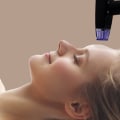
The mechanism of action behind Morpheus8 is quite sophisticated. During the treatment, a device equipped with fine needles penetrates the skin at varying depths while simultaneously emitting radiofrequency energy. This dual-action approach allows for precise targeting of specific layers of the skin, enhancing the overall effectiveness of the treatment.
The microneedles create micro-injuries that trigger the body’s natural healing response, leading to increased collagen and elastin production. Meanwhile, the radiofrequency energy heats the underlying tissues, further promoting tightening and lifting effects.
Benefits of Morpheus8
- Non-Invasive: Unlike surgical procedures, Morpheus8 does not require incisions or significant downtime, making it an appealing option for those seeking facial rejuvenation without the risks associated with surgery.
- Customisable Treatment: The depth of microneedling can be adjusted based on individual skin concerns and goals, allowing for a tailored approach that meets each patient’s unique needs.
- Minimal Downtime: Most patients experience only mild redness and swelling post-treatment, which typically resolves within a few days. This allows individuals to return to their daily activities relatively quickly.
- Long-Lasting Results: With proper skincare maintenance, the results from Morpheus8 can last for several months to a year, providing significant value for those looking to enhance their appearance.
- Versatile Applications: Morpheus8 can be used on various areas of the body, including the face, neck, and even delicate areas like around the eyes and mouth.
Understanding these benefits is crucial as we delve into the potential downsides associated with this treatment.
Common Side Effects of Morpheus8 Treatment
Morpheus8 treatment, while celebrated for its skin rejuvenation benefits, does come with a range of common side effects that potential patients should be aware of. Understanding these effects is essential for making an informed decision about undergoing the procedure.One of the most frequently reported side effects is redness. After the treatment, it is typical for the skin to exhibit a flush similar to that of a mild sunburn. This redness can last from a few hours to several days, depending on individual skin sensitivity and the extent of the treatment.Swelling
is another common reaction.
Patients may notice puffiness in the treated areas, which can be particularly pronounced around the eyes and cheeks. This swelling usually subsides within a few days but can be uncomfortable during the initial recovery period.In addition to redness and swelling, some individuals may experience bruising. This can occur due to the micro-needling aspect of Morpheus8, which involves tiny punctures in the skin. Bruising is generally mild and resolves within a week.Other potential side effects include:
- Oozing: A small amount of fluid may leak from the micro-wounds created during treatment.
This is typically minimal and should not cause alarm.
- Crusting: As the skin heals, some patients may notice crusting in the treated areas. This is part of the natural healing process and should clear up as new skin forms.
- Bumps or grid marks: Temporary bumps or grid-like patterns may appear on the skin's surface due to the micro-needling technique. These usually fade quickly.
Pain and Discomfort During the Procedure
When considering Morpheus8 treatment, one of the primary concerns for many patients is the level of pain and discomfort they may experience during the procedure.While the treatment is designed to be minimally invasive, individual pain tolerance can vary significantly, leading to different experiences among patients.During the Morpheus8 procedure, patients may feel sensations ranging from mild discomfort to moderate pain. This is primarily due to the microneedling aspect of the treatment, which involves tiny needles penetrating the skin to deliver radiofrequency energy. The depth of penetration and the specific areas being treated can influence the level of discomfort experienced.To address these concerns, many practitioners recommend using a topical anesthetic prior to the procedure. This numbing cream is applied to the treatment area about 30 minutes before starting, allowing for a more comfortable experience.
Patients often report that with proper numbing, the discomfort is significantly reduced, making the procedure more tolerable.In addition to topical anesthetics, some clinics may offer other pain management options. These can include:
- Cooling devices: Some practitioners use cooling devices during the treatment to help numb the skin and reduce pain.
- Oral pain relief: In certain cases, a provider may recommend taking over-the-counter pain relief medication before the procedure.
- Distraction techniques: Engaging in conversation or listening to music during the treatment can help divert attention from any discomfort.
Cost Considerations for Morpheus8 Treatment
When considering Morpheus8 treatment, one of the most significant factors to evaluate is the cost associated with the procedure.Understanding the financial implications can help potential patients make informed decisions about whether this treatment aligns with their budget and aesthetic goals.The pricing for Morpheus8 can vary widely based on several factors, including:
- Geographic Location: The cost of cosmetic procedures often fluctuates depending on the region. Urban areas with a higher cost of living typically charge more than rural locations.
- Provider Experience: The expertise and reputation of the practitioner performing the treatment can influence pricing. Highly experienced providers may charge a premium for their services.
- Treatment Area: The size and complexity of the area being treated will also affect the overall cost. Larger areas or those requiring more intensive treatment may incur higher fees.
- Number of Sessions: Many patients require multiple sessions to achieve optimal results, which can significantly increase the total expenditure.
However, it is essential to note that these figures are estimates and can vary based on the aforementioned factors. Additionally, some clinics may offer package deals or financing options to make the treatment more accessible.While the initial investment in Morpheus8 may seem substantial, many patients find that the long-term benefits justify the cost. The treatment is designed to stimulate collagen production and improve skin texture, leading to lasting results that can enhance one’s appearance and boost confidence.Moreover, it is crucial to consider the potential costs associated with post-treatment care. Although Morpheus8 is generally well-tolerated, some patients may experience side effects that require additional products or treatments for optimal recovery.In conclusion, while Morpheus8 treatment can represent a significant financial commitment, understanding the various factors influencing cost can help individuals assess its affordability.
Consulting with a qualified provider can also provide clarity on pricing structures and available financing options, ensuring that patients are well-informed before proceeding with this innovative skin rejuvenation technique.
Long-term Effects and Risks of Morpheus8
While Morpheus8 is celebrated for its ability to rejuvenate the skin and address various cosmetic concerns, it is essential to consider the long-term effects and potential risks associated with this treatment. Understanding these factors can help patients make informed decisions about whether this procedure aligns with their aesthetic goals and health considerations.One of the primary concerns regarding the long-term effects of Morpheus8 is the possibility of skin texture changes. Although many patients experience improved skin tightness and smoothness shortly after treatment, some may notice alterations in skin texture over time. This can manifest as unevenness or a change in pigmentation, particularly in individuals with darker skin tones who may be more susceptible to post-inflammatory hyperpigmentation.Another risk to consider is the potential for scarring.While Morpheus8 is designed to be minimally invasive, any procedure that involves microneedling carries a risk of scarring, especially if the skin does not heal properly. Patients with a history of keloid formation or those prone to scarring should discuss these concerns with their provider prior to undergoing treatment.
Infection
is another risk associated with Morpheus8, albeit rare. The use of needles creates micro-wounds on the skin, which can become entry points for bacteria if proper aftercare is not followed. Patients are advised to adhere strictly to post-treatment care instructions to minimise this risk.Additionally, some individuals may experience prolonged redness or swelling that lasts beyond the typical recovery period.
While most side effects are temporary, a small percentage of patients report lingering symptoms that can last weeks or even months. This underscores the importance of choosing a qualified practitioner who can tailor the treatment to individual needs and monitor recovery closely.Finally, it is crucial to consider the psychological impact of undergoing cosmetic procedures like Morpheus8. While many patients report satisfaction with their results, others may experience disappointment if their expectations are not met. It is vital for patients to have realistic expectations and engage in thorough discussions with their providers about what Morpheus8 can achieve.In conclusion, while Morpheus8 offers numerous benefits for skin rejuvenation, potential long-term effects and risks should not be overlooked. Patients should weigh these factors carefully and consult with experienced professionals to ensure they are making a well-informed decision regarding their treatment options.
Who Should Avoid Morpheus8 Treatment?
While Morpheus8 is a versatile treatment that can benefit many individuals seeking skin rejuvenation, it is not suitable for everyone.Certain health conditions and factors can increase the risk of complications or diminish the effectiveness of the treatment. Below are some key groups of individuals who should consider avoiding Morpheus8.
- Pregnant or Nursing Women: Women who are pregnant or breastfeeding are generally advised to avoid cosmetic procedures, including Morpheus8. The effects of the treatment on fetal development or nursing infants have not been thoroughly studied.
- Individuals with Active Skin Conditions: Those suffering from active skin infections, such as herpes simplex, eczema, or psoriasis in the treatment area should postpone their Morpheus8 sessions. Treating inflamed or compromised skin can exacerbate these conditions and lead to further complications.
- Patients with Certain Medical Conditions: Individuals with autoimmune disorders, such as lupus or rheumatoid arthritis, may experience heightened sensitivity to treatments like Morpheus8. Additionally, those with a history of keloid scarring should approach this treatment with caution, as it may trigger abnormal healing responses.
- People on Blood Thinners: If you are taking anticoagulant medications, you may be at an increased risk of bruising and bleeding during and after the procedure. It is crucial to discuss your medication regimen with your provider prior to treatment.
- Individuals with a History of Poor Wound Healing: Those who have previously experienced complications with wound healing may not be ideal candidates for Morpheus8. The treatment involves micro-injuries to the skin, which could lead to prolonged recovery times or adverse effects in susceptible individuals.
- Patients with Allergies: If you have known allergies to topical anesthetics or any components used during the procedure, it is essential to inform your practitioner.
An allergic reaction could complicate the treatment process and recovery.
Comparing Morpheus8 with Other Treatments
Morpheus8 has gained traction as a leading non-invasive treatment for skin rejuvenation, but it is essential to consider how it stacks up against other available cosmetic procedures. Understanding the alternatives can help individuals make informed decisions tailored to their specific skin concerns.One of the most common alternatives to Morpheus8 is microneedling.This treatment involves using fine needles to create micro-injuries in the skin, stimulating collagen production. While both treatments aim to improve skin texture and firmness, microneedling typically requires multiple sessions for optimal results and may not penetrate as deeply as Morpheus8. Additionally, microneedling can lead to similar side effects, such as redness and swelling, but often has a shorter recovery time.
Laser resurfacing
is another popular option that uses focused light energy to remove damaged skin layers. This method can effectively treat wrinkles, scars, and pigmentation issues. However, laser treatments often come with a longer downtime compared to Morpheus8, as they can cause more significant peeling and redness.
Furthermore, patients with darker skin tones may face a higher risk of hyperpigmentation with laser treatments.
Ultrasound therapy
, such as Ultherapy, is also worth considering. This technique uses ultrasound waves to stimulate collagen production at deeper skin layers without damaging the surface. While it offers a non-invasive approach similar to Morpheus8, some patients report discomfort during the procedure and may require multiple sessions for noticeable results.When comparing these treatments, it’s crucial to consider factors such as cost, recovery time, and pain tolerance. Morpheus8 tends to be on the pricier side due to its advanced technology and dual-action approach of microneedling combined with radiofrequency energy.
However, many patients find the results worth the investment due to its effectiveness in tightening skin and reducing fine lines.Ultimately, the choice between Morpheus8 and its alternatives should be guided by individual skin concerns, desired outcomes, and professional advice from a qualified practitioner. Each treatment has its unique benefits and potential drawbacks, making it essential to weigh these factors carefully before proceeding.
Frequently Asked Questions about Morpheus8 Treatment
When considering Morpheus8 treatment, potential patients often have numerous questions regarding the procedure, its effects, and what to expect during recovery. Below are some of the most frequently asked questions about this innovative treatment.What is Morpheus8?
Morpheus8 is a fractional radiofrequency microneedling treatment designed to stimulate collagen production and improve skin texture. It combines the benefits of microneedling with radiofrequency energy to target deeper layers of the skin, making it effective for various skin concerns, including wrinkles, fine lines, and sagging skin.How long does the treatment take?
The duration of a Morpheus8 session typically ranges from 30 to 90 minutes, depending on the area being treated.This includes time for preparation, application of topical anaesthetic, and the actual procedure.
Is there any downtime after the treatment?
While Morpheus8 is considered a non-invasive procedure, some downtime is expected. Patients may experience redness and swelling similar to a mild sunburn for a few days post-treatment. Most individuals can return to their normal activities within 1 to 3 days, but it’s advisable to avoid strenuous exercise and sun exposure during this period.What results can I expect?
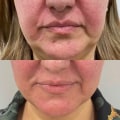
Results from Morpheus8 treatment can be seen within a few days, with optimal results typically appearing after several weeks as collagen continues to develop. Many patients report improved skin texture, firmness, and a more youthful appearance.Are there any side effects?
As with any cosmetic procedure, Morpheus8 may have side effects.Commonly reported issues include temporary redness, swelling, and minor bruising. These effects usually resolve within a few days. It’s essential to discuss any concerns with your practitioner prior to treatment.
Who is a suitable candidate for Morpheus8?
Morpheus8 is suitable for various skin types and ages. However, individuals with certain skin conditions or those who are pregnant should consult with their healthcare provider to determine if this treatment is appropriate for them.If you have further questions or concerns about Morpheus8, it’s best to consult with a qualified practitioner who can provide personalised advice based on your specific needs and goals.Conclusion: Weighing the Pros and Cons of Morpheus8 Treatment
In conclusion, while Morpheus8 treatment offers a range of benefits for those seeking to improve their skin's appearance, it is essential to carefully consider the potential downsides before making a decision.Understanding these drawbacks can empower patients to make informed choices that align with their personal goals and expectations.One of the most significant factors to weigh is the cost associated with Morpheus8. The price can vary widely based on the treatment area, the expertise of the provider, and geographical location. For many, this investment may be substantial, and it is crucial to assess whether the anticipated results justify the expense.Another important consideration is the discomfort that some patients may experience during the procedure. Although topical anesthetics can help alleviate pain, individual pain thresholds vary, and some may find the sensation more intense than expected. It is advisable to discuss pain management options with your practitioner beforehand.Additionally, while most side effects are temporary and mild, such as redness and swelling, there is always a risk of more severe reactions.
Patients should be aware of these possibilities and have open discussions with their healthcare providers about their medical history and any concerns they may have.Ultimately, the decision to undergo Morpheus8 treatment should not be taken lightly. It is vital for potential patients to conduct thorough research, consult with qualified professionals, and weigh both the pros and cons carefully. By doing so, individuals can ensure that they are making a choice that is right for them, leading to satisfactory outcomes and enhanced confidence in their skin's appearance.